4 min read
•
Oct 28, 2026


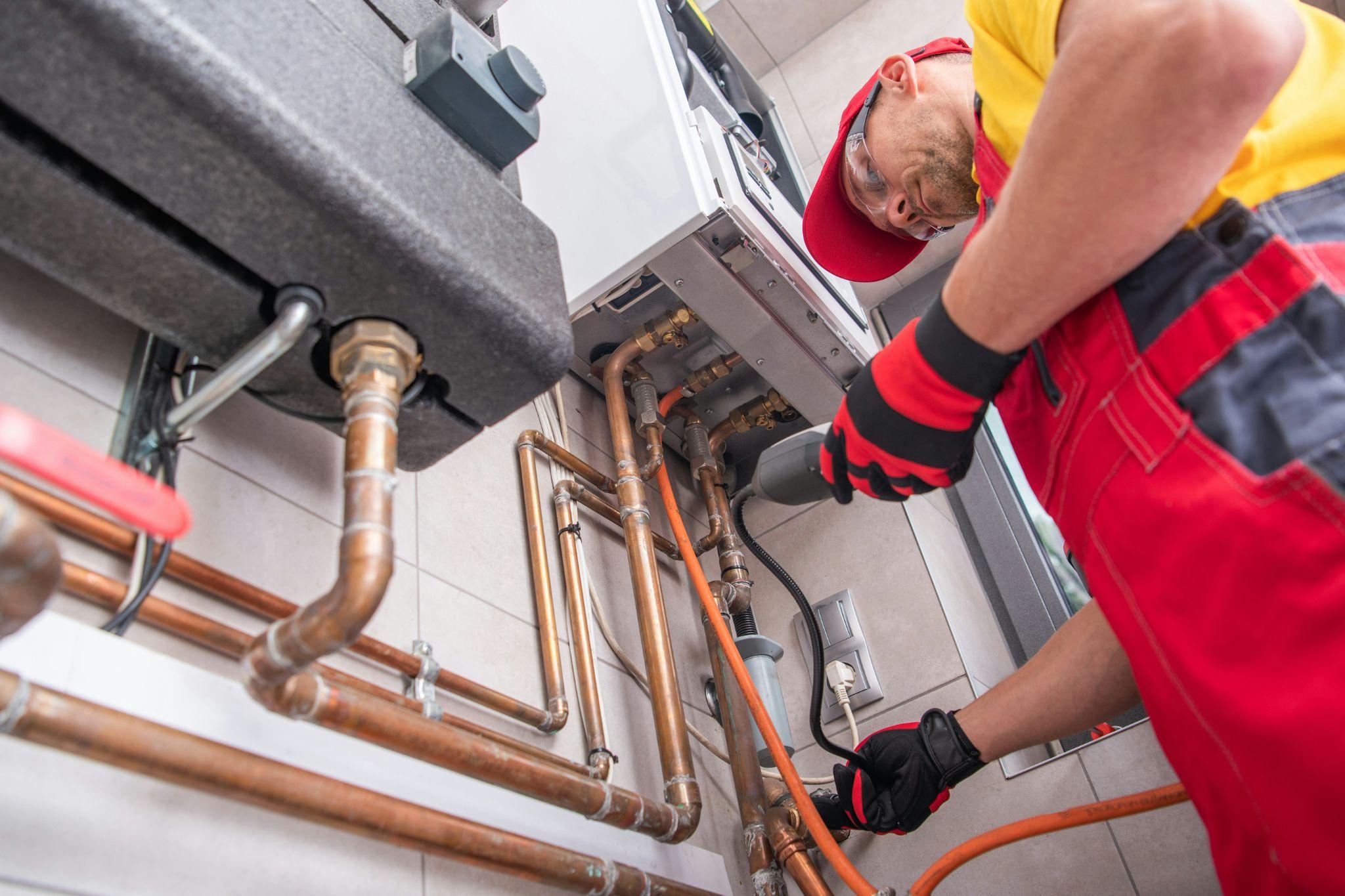
Most homeowners only think carefully about their hot water system when the existing one fails, which is the worst possible time to make a considered decision. The system that gets installed under emergency conditions is almost always whichever one the plumber has available and can install quickly, rather than the one that best suits the household’s size, usage patterns, and energy setup. The replacement made in those circumstances works, but it often doesn’t work as well or as economically as a system chosen with some deliberation.
Sydney homes have specific characteristics that affect which hot water system performs best. The climate is mild enough that heat pump systems work efficiently year-round. The gas network serves most suburban areas, making gas a genuine option for households without solar. The tendency toward larger households in Sydney’s outer suburbs and smaller apartments in the inner city creates a demand profile that doesn’t suit a single system type across all situations. Understanding which type suits the specific home and household is the decision that produces daily comfort and manageable running costs rather than a system that technically works but does either poorly.
Gas hot water systems, whether storage or continuous flow, remain the dominant choice across Sydney’s suburban areas, and for households with a gas connection and moderate to high hot water demand, the case for gas is straightforward.
Gas storage systems heat water in an insulated tank using a gas burner, maintaining the stored water at the set temperature and reheating it as the tank is drawn down. The running cost of a gas storage system is lower than an equivalent electric storage system for most Sydney households because gas remains cheaper than electricity per unit of energy in NSW, and the faster recovery rate of a gas storage system means the tank returns to temperature more quickly after a heavy draw than an electric equivalent. The limitation of gas storage is the same as any storage system: the tank has a finite capacity, and a household that draws more hot water in a session than the tank holds will run out before the tank recovers.
Gas continuous flow, also called gas instantaneous, heats water on demand as it flows through the unit rather than storing it. There is no tank to run out of and no standby heat loss from maintaining a stored volume of water at temperature. For Sydney households with high simultaneous demand, the multiple bathrooms and the simultaneous morning routines of larger families, gas continuous flow is the system that eliminates the timing coordination that a storage system imposes. The installation cost is higher than a storage system and the unit requires adequate gas pressure and a suitable flue arrangement, but for the households it suits, the running cost and performance advantages produce a return on the additional investment within a few years.
The solar hot water option with gas boost is worth mentioning for households that have roof space and want to reduce running costs further. A gas-boosted solar system uses the sun to heat the majority of the water and the gas booster to supplement on cloudy days or during high demand. In Sydney’s climate, a well-oriented solar collector covers most of the annual hot water demand, and the gas boosting requirement is relatively low.
Electric storage hot water systems are the least efficient option for most Sydney households when running costs are the primary consideration, but there are specific situations where they remain a practical choice and others where the electric category has become significantly more competitive through heat pump technology.
Off-peak electric tariffs, where the hot water system runs during off-peak hours at a lower electricity rate and stores the heated water for daytime use, have historically made electric storage more economical than the standard electricity rate suggests. The off-peak arrangement requires the system to be large enough to hold a full day’s hot water demand, because it can’t reheat during peak hours, and the insulation quality of the tank determines how much heat is lost to standby loss across the day. For households on off-peak tariffs with suitable tank sizing, electric storage remains a viable option despite its efficiency limitations.
Heat pump hot water systems are the development that has genuinely changed the electric category’s position. A heat pump extracts heat from the ambient air and uses it to heat the water, consuming significantly less electricity than a conventional electric element that generates heat directly. The efficiency advantage over standard electric is substantial, with well-specified heat pump systems producing three to four units of hot water energy for every unit of electricity consumed. In Sydney’s climate, where temperatures rarely drop low enough to significantly reduce heat pump efficiency, the running cost of a heat pump system is competitive with gas continuous flow and in some situations lower.
The installation considerations for heat pumps are specific: they require adequate outdoor air circulation around the unit, they produce some noise during operation, and they perform less efficiently in very cold weather. For most Sydney suburban installations these constraints are manageable, and the running cost advantage over a conventional electric system makes the additional upfront cost recoverable within a few years of operation.
The shift toward continuous flow hot water across Sydney’s replacement market reflects a genuine performance advantage that households discover once they’ve made the switch and that produces the consistent recommendation from families who have experienced both.
The core advantage of continuous flow is unlimited hot water at a consistent temperature. There is no tank to exhaust, no recovery period to wait for, and no temperature variation as the stored volume decreases. The shower that runs at the same temperature at the end of a long session as it did at the beginning is the daily experience that continuous flow delivers and that a storage system doesn’t. For households with multiple bathrooms and sequential morning routines, this difference is felt every day rather than only when demand is unusually high.
The running cost advantage of continuous flow over storage comes from the absence of standby heat loss. A storage system maintains its tank at temperature continuously, losing heat to the surrounding environment through the tank walls across every hour of the day, whether hot water is being used or not. Continuous flow consumes energy only when hot water is flowing, and nothing between uses. For Sydney households where hot water use is concentrated in morning and evening periods with long gaps between, the standby loss that a storage system incurs across those gaps adds meaningfully to annual running costs.
For homeowners considering the switch from storage to continuous flow, our hot water system installation service covers the full range of gas, electric, and heat pump continuous flow systems across Sydney, the Sutherland Shire, and the Eastern Suburbs. The installation of a continuous flow system requires appropriate gas pressure for gas units, or adequate electrical supply for electric continuous flow, and in some cases flue arrangements that differ from the existing system. We assess the specific installation requirements for each home before advising on the most suitable unit rather than recommending the same system regardless of the site conditions.
The timing of the switch is worth considering rather than waiting for a failure. A storage system that is more than ten years old and showing signs of reduced performance, longer recovery times, or water temperature inconsistency is approaching the end of its reliable service life, and replacing it before it fails allows the replacement to be chosen and installed under planned conditions rather than emergency ones.
The hot water system that performs well and runs economically for a decade or more is the one chosen for the specific household and installed correctly by a licensed plumber who understands the requirements of the site and the system.
We supply, install, and service gas, electric, and continuous flow hot water systems across Sydney, with the advice to help homeowners understand which option suits their household before the installation is booked. If your current system is underperforming, approaching the end of its service life, or has already failed, call us and we’ll provide an honest assessment of the options and a clear installation timeline. Our team is available around the clock for systems that have failed and need urgent replacement, with no call-out fee and a lifetime labour guarantee on the installation work.
Or call 0413 382 125


Privacy Policy | Terms & Conditions